


About the Artist
John Uzzell-Edwards (1934-2014) was a Welsh painter, born in Deri, a coalmining village in South Wales. An only child, Uzzell-Edwards’ father was a miner who had aspirations of being a painter – when the younger Uzzell-Edwards showed a natural talent, he was enrolled in the Dowlais Settlement, where the exiled German artist Heinz Koppel taught art. Without much funding available, Uzzell-Edwards became a qualified engineering illustrator. Frustrated, he moved to Paris in 1957, where he drew prodigiously in a search for meaning. Lack of funds saw his final return to Wales, where he exhibited continually, and where his work is featured in the National Museum and the Gallery of Wales, and other museums.
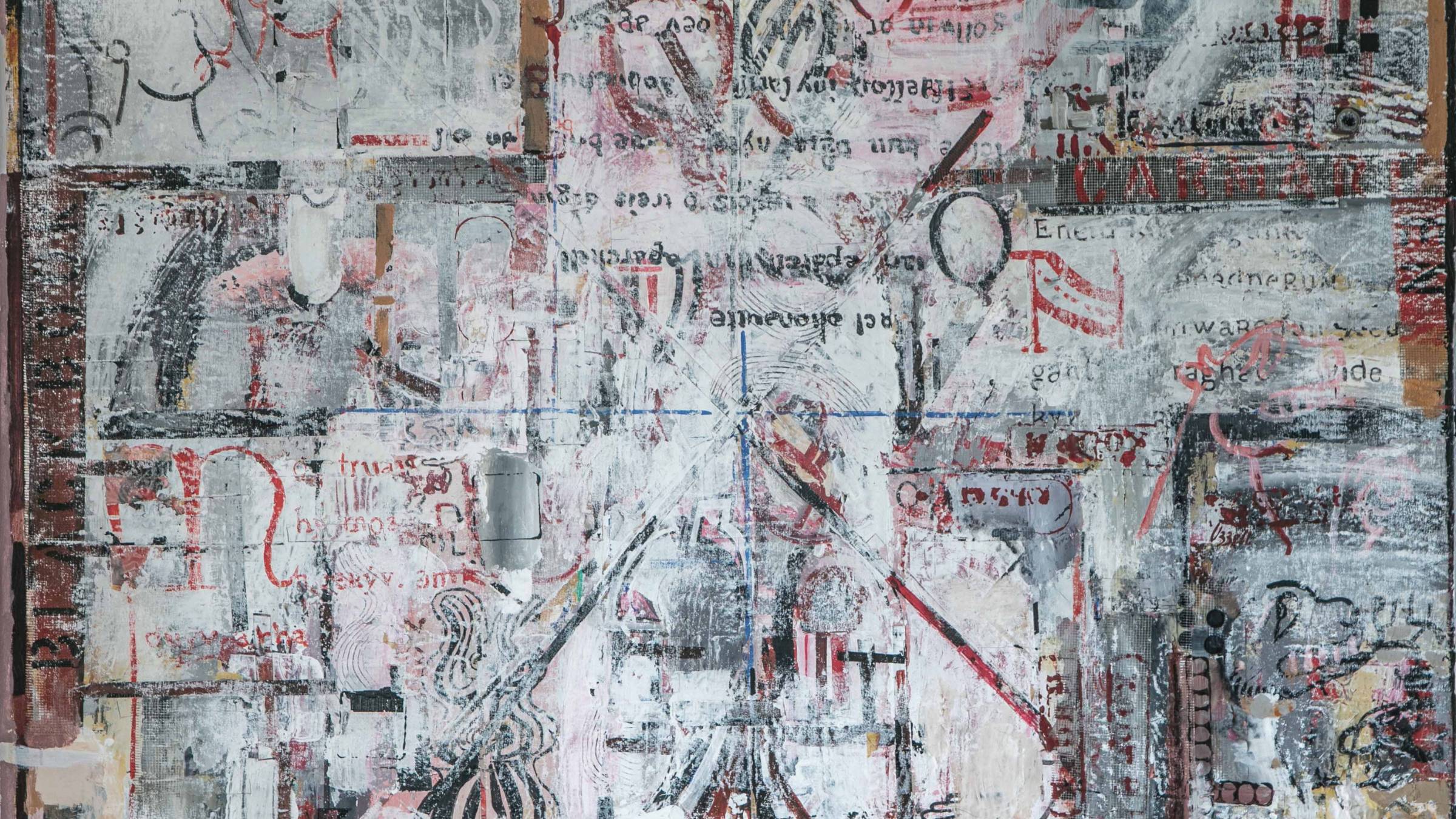
Uzzell-Edwards’ work is not confined to one style. As an experimental painter, Uzell-Edwards, over his career, moved gradually from representational art to abstraction. In his early, more representational works, figures in his work have cubist-style faces, as the key element of surrealism and nonrepresentation. Later works lack significant representational elements, such as the series of works inspired by Welsh patchwork quilts which is heavily abstracted in fluorescent hues. As Uzzell-Edwards grew older, the idea of pure painting became more important to him and his work grew closer to pure abstraction.
One aspect of Uzell-Edwards’ work that is omnipresent is a Celtic influence. Within his work forms reminiscent of traditional Celtic stone inscriptions and crosses appear, whilst his later quilt-inspired work transposes the beauty of traditional and uniquely inspiring Welsh quilts, such as a Llanelli quilt made up entirely of miner’s shirts, onto canvas. The quilt works are not merely copies or representations; if a viewer didn’t know they were inspired by quilts, they would probably be none the wiser. Rather, Uzzell-Edwards uses the patterns, materials and meanings in the quilts as a blueprint for his versions, creating a distinct rhythm and feel to his work while paying homage to an important part of Welsh history and culture.
Black Book
John Uzzell Edwards
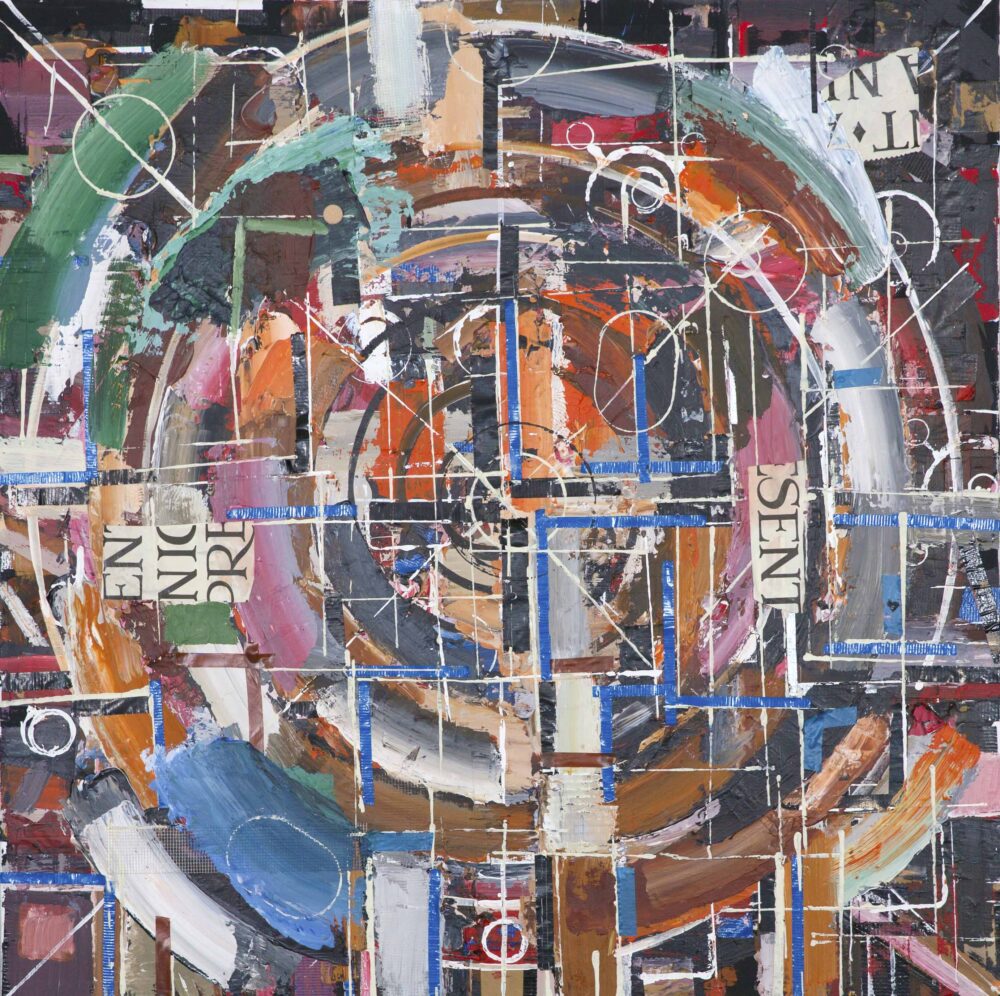
Spinning Quilt
John Uzzell Edwards
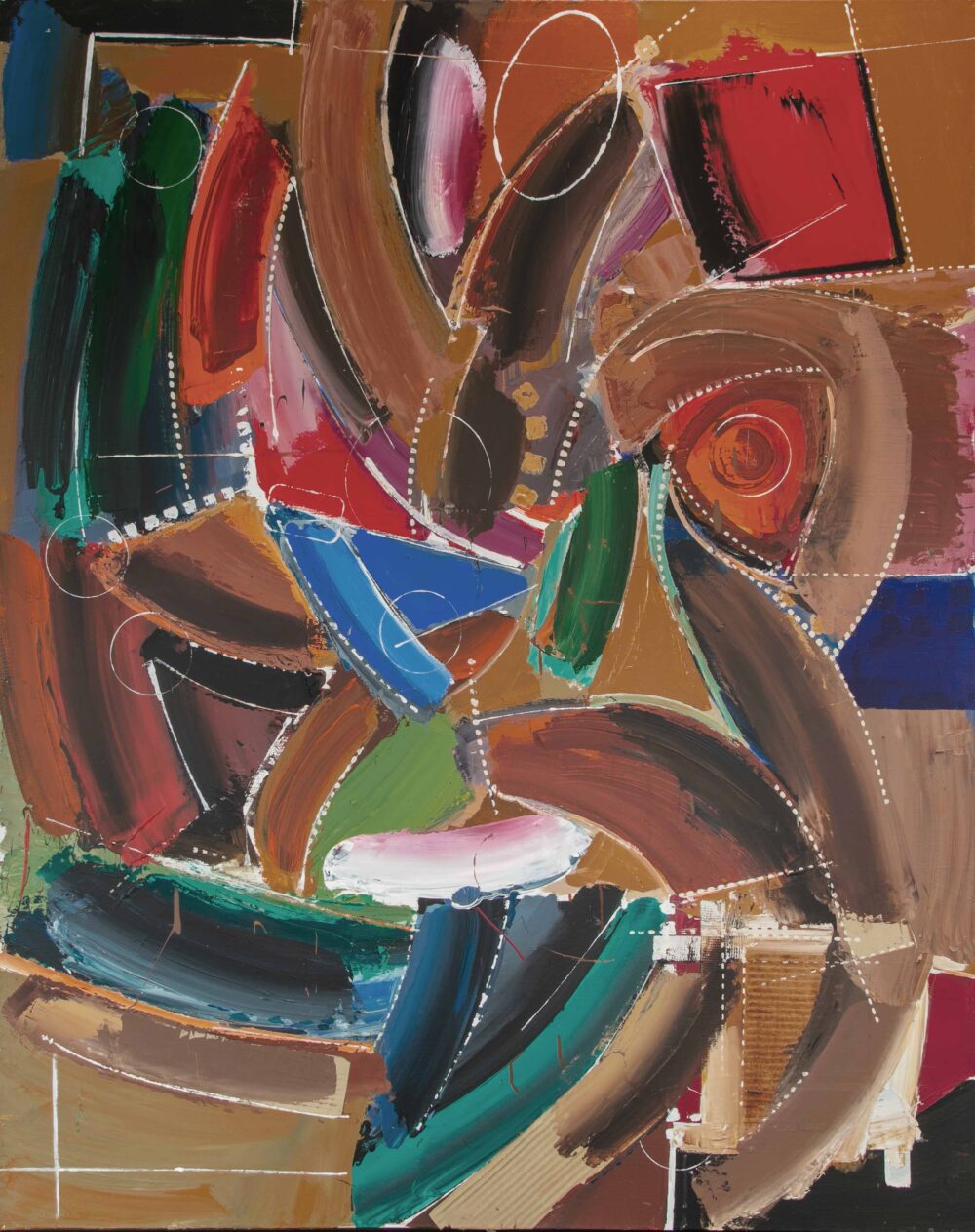
Swansea Quilt
John Uzzell-Edwards
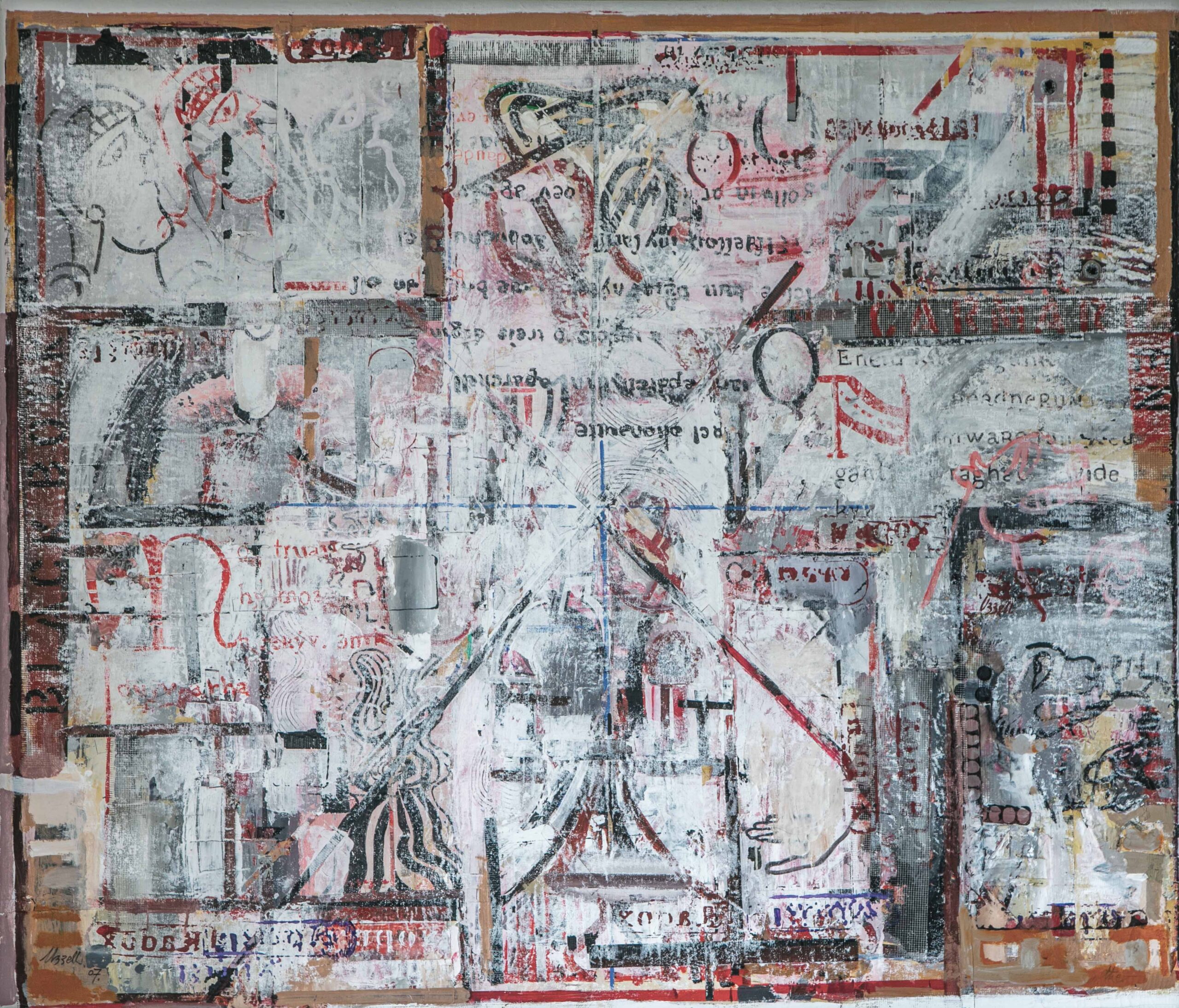
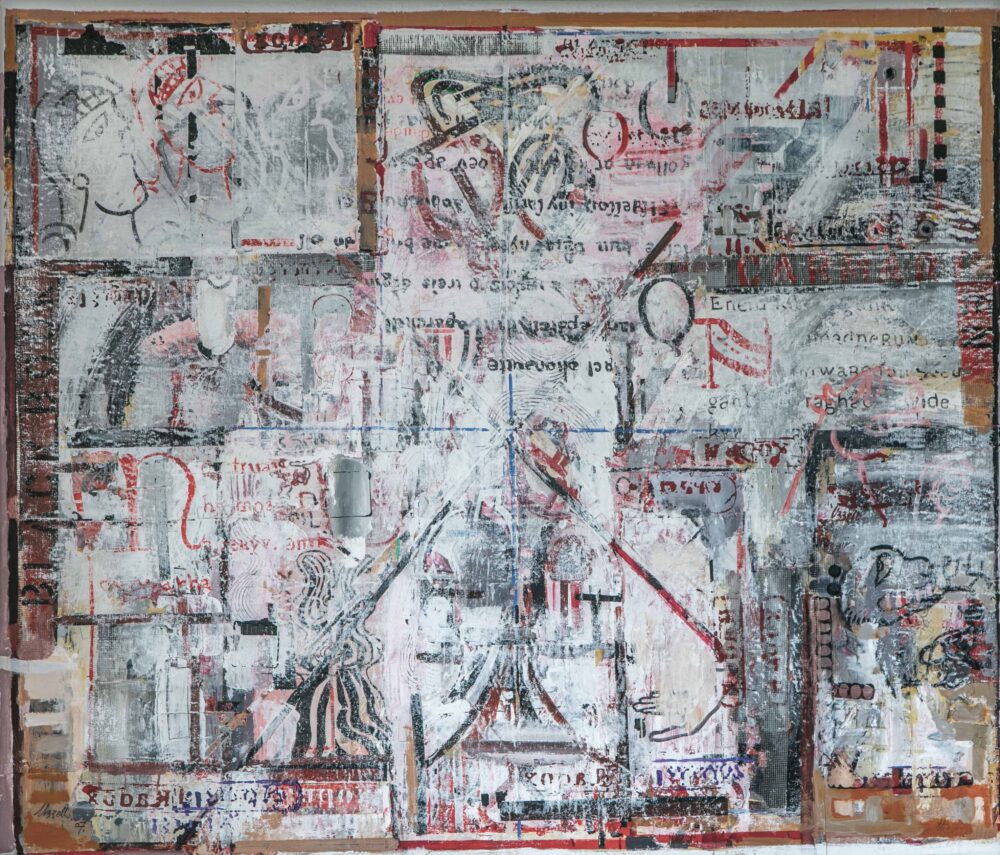
Black Book by John Uzzell Edwards

Spinning Quilt by John Uzzell Edwards
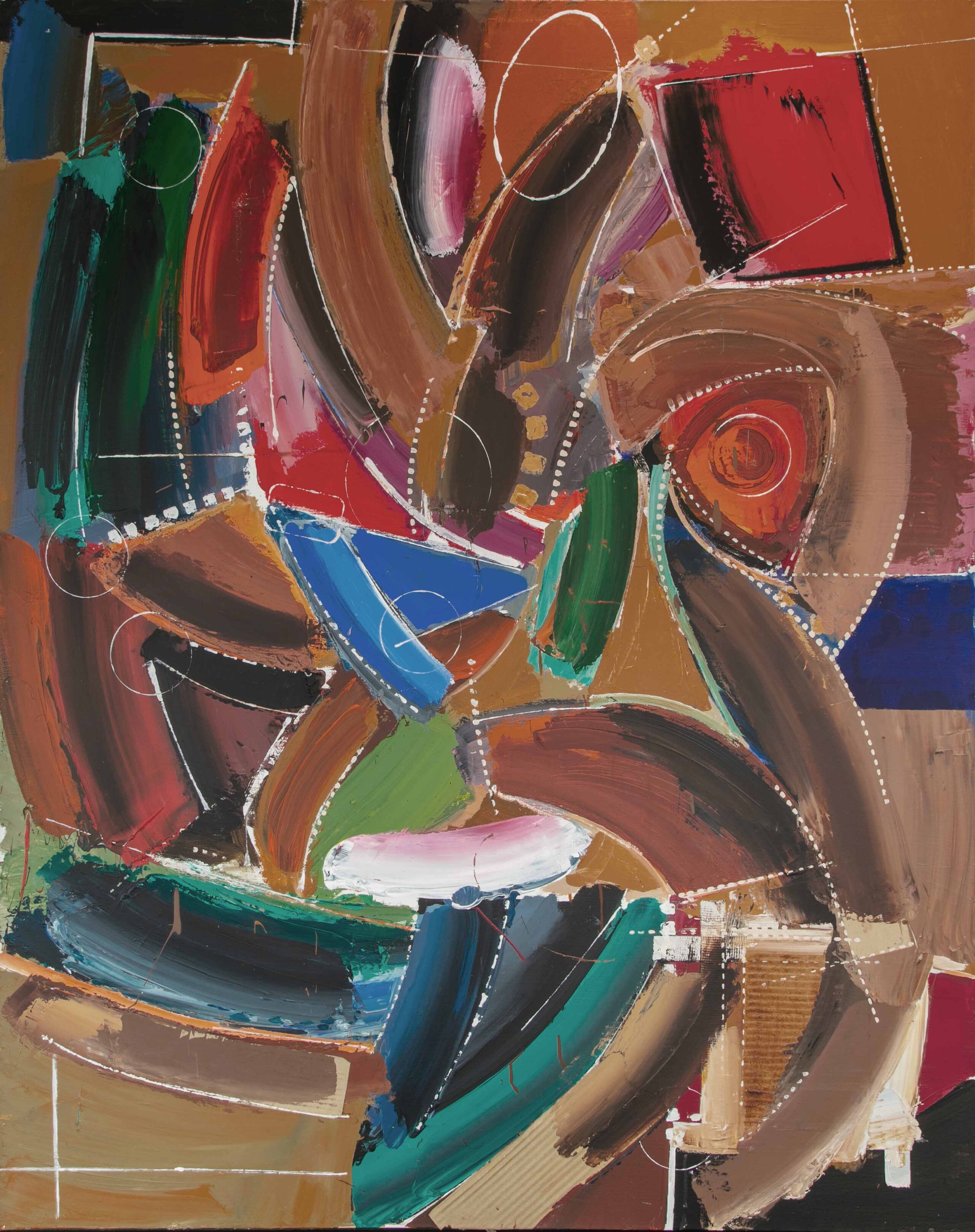
Swansea Quilt by John Uzzell-Edwards
Explore the collection
Discover similar artists
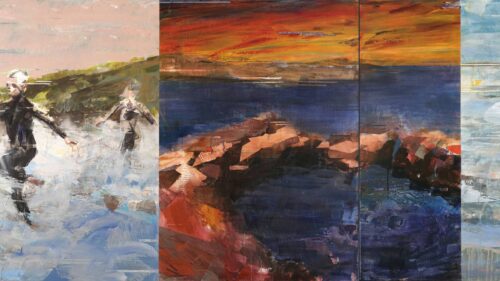
All artists • Painters
Michael Azgour
Michael Azgour blends pattern, distortion, and narrative to capture St Davids’ coastal landscapes and human presence.
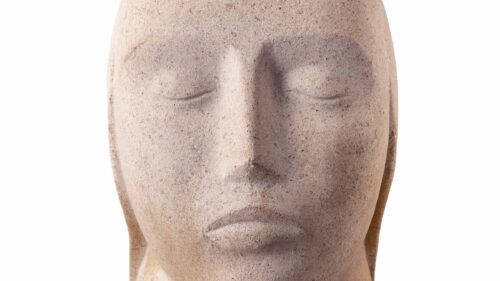
All artists • Sculptors
Cathy Wood
Cathy Wood, Bath Academy of Art graduate, sculpts stone inspired by nature and the human figure.
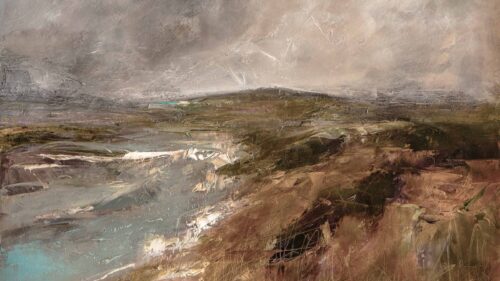
All artists • Painters
Zoe Taylor
Zoe Taylor creates award-winning, contemplative landscapes blending field sketches, imagination, and layered, neutral-toned compositions.
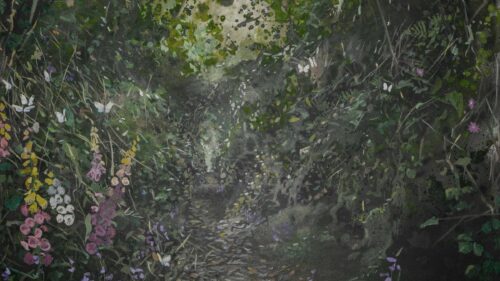
All artists • Painters
Xenz
Xenz, a UK street artist, blends graffiti and impressionism, creating nature-inspired murals worldwide.