Skip to content

The History of a Welsh Prince

The Lord Rhys

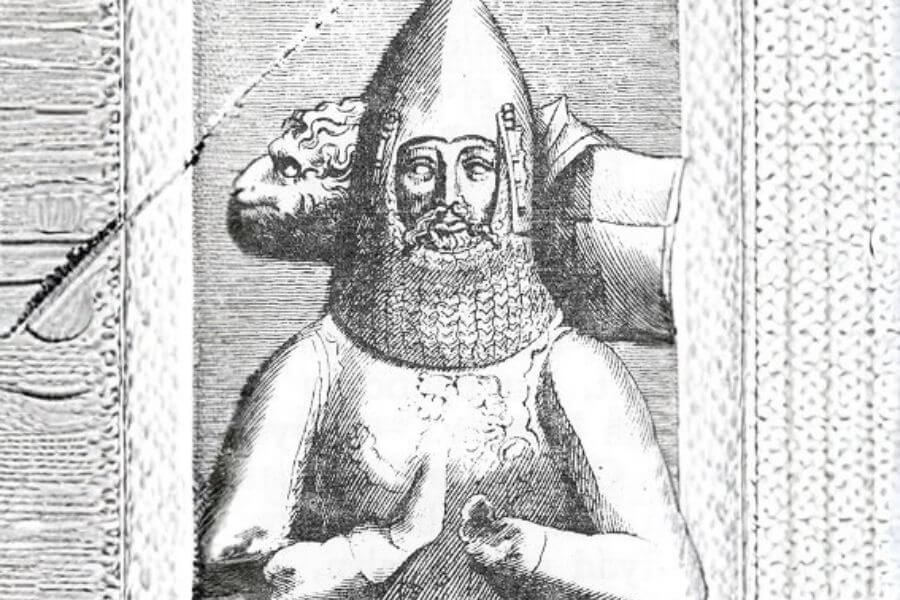
The Lord Rhys was one of the most powerful Welsh rulers of the 12th century. As Prince of Deheubarth, his influence stretched across much of southwest Wales, including large parts of what is now Pembrokeshire.

WHO WAS THE LORD RHYS?

Born around 1132, Rhys ap Gruffudd inherited a turbulent kingdom. His family had spent generations resisting the growing power of the Normans, who had established castles and settlements throughout South Wales following the Norman Conquest.

Rhys became ruler of Deheubarth in 1155 and spent much of his reign navigating the difficult relationship between the Welsh princes and the English Crown. At different times he fought against the Normans, negotiated with Henry II and expanded his influence across southwest Wales.

Following the death of Henry II in 1189, Rhys took advantage of the changing political landscape and moved against a number of Anglo-Norman strongholds. He captured several castles and reasserted Welsh control over large areas of the south and west.

His influence in Pembrokeshire was particularly significant. Historical records show that he controlled a number of important locations in the region, including Nevern, while his campaigns brought him into direct conflict with the Norman and Flemish communities that had become established across Pembrokeshire.


The Lord Rhys and Pembrokeshire

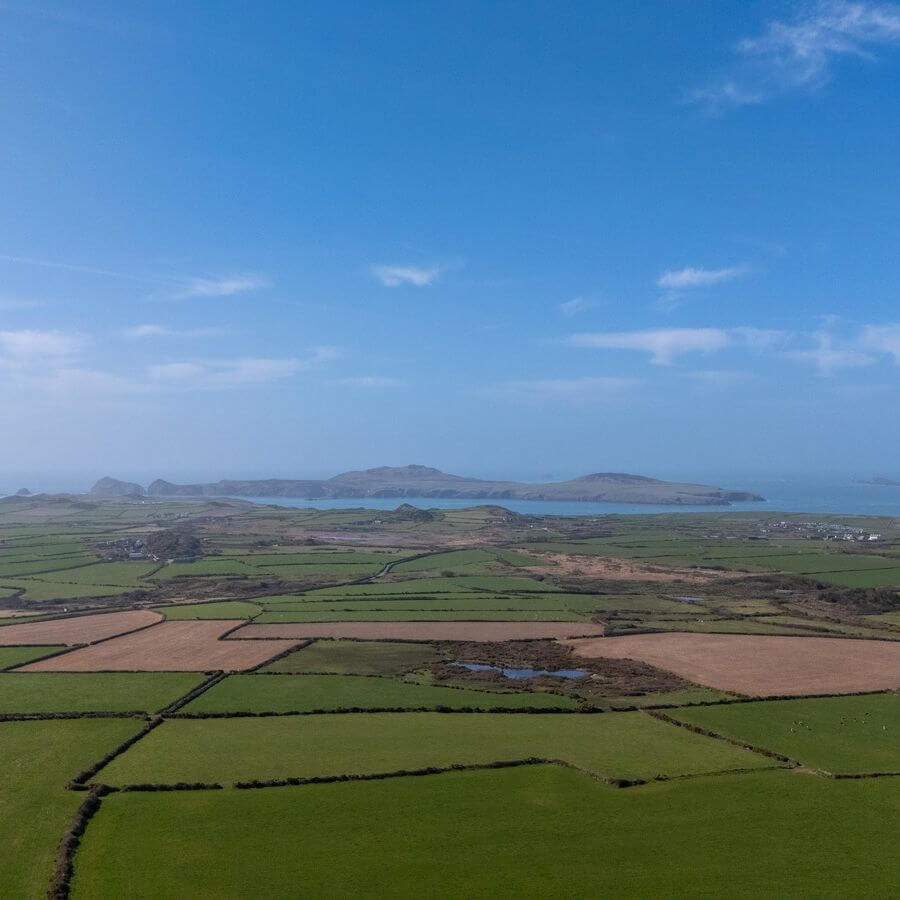
During the 12th century, Pembrokeshire was a fascinating meeting point between Welsh and Anglo-Norman cultures. The Landsker Line, an unofficial boundary running across the county, broadly separated the Welsh-speaking north from the heavily Norman and Flemish-influenced south. Castles became important symbols of this contested landscape, controlling routes, settlements and strategic viewpoints.


The Lord Rhys was deeply involved in this struggle. He captured Nevern Castle on several occasions, with the castle changing hands between Rhys and the Anglo-Norman FitzMartin family. In 1191, Rhys captured Nevern once again, while in 1195 his son Hywel Sais destroyed the castle to prevent it from falling back into Anglo-Norman hands.

Is there a connection with Roch Castle?

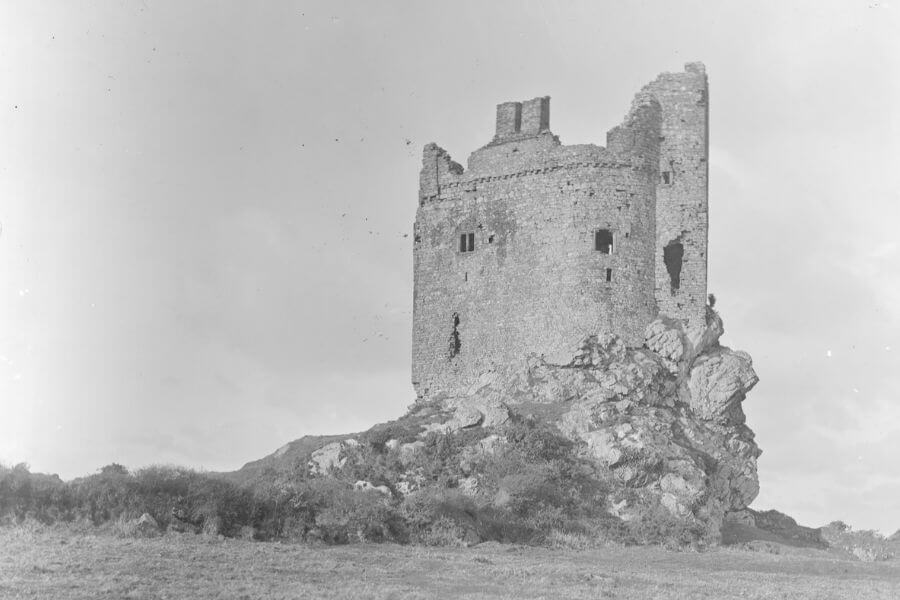
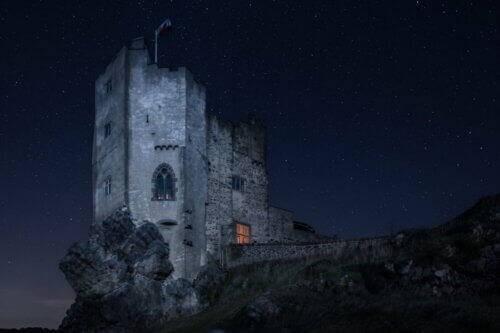
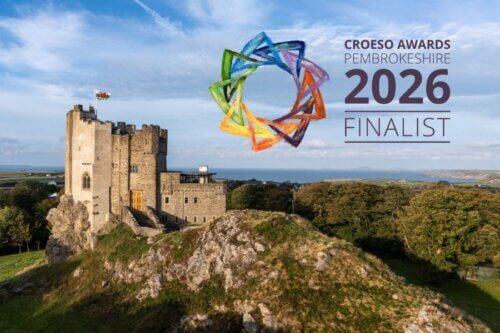
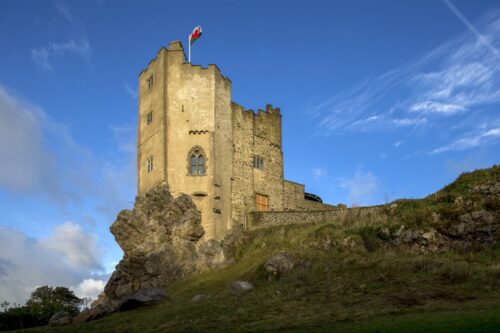
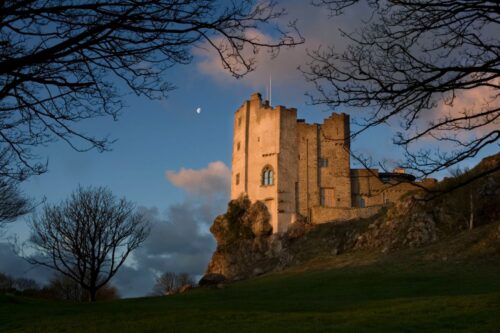
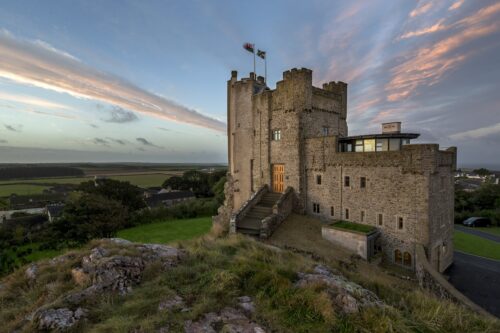
The exact chronology of Roch Castle’s earliest stone construction remains debated. However, the history of Roch Castle notes that the castle was probably strengthened in stone around the time of the Lord Rhys’s expansion following Henry II’s death in 1189.

As Rhys reclaimed territory and captured Norman strongholds across southwest Wales, the Norman settlements needed stronger defences. Roch’s elevated position, overlooking the surrounding landscape and towards St Brides Bay, made it an important strategic location.

So, while Roch Castle was not built by the Lord Rhys, his campaigns may have played an important part in the circumstances that led to its strengthening.

It is a reminder that medieval castles were never isolated buildings. They were part of a much larger landscape of power, defence and ambition.

The Lord Rhys and St Davids

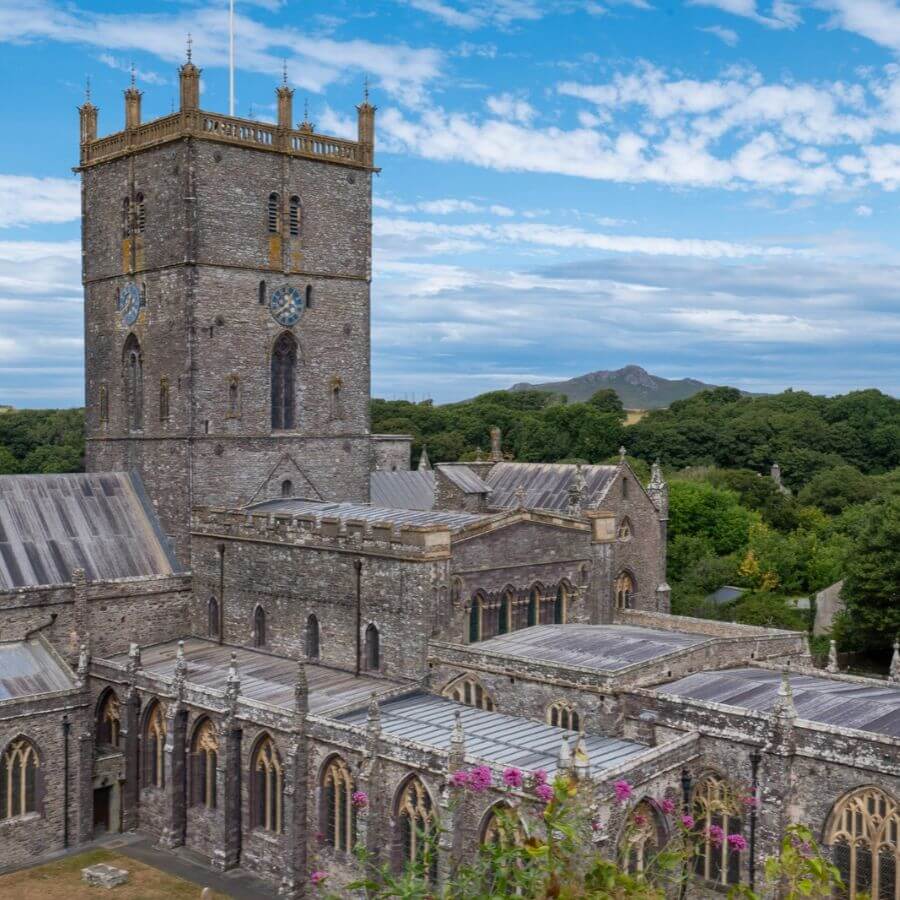
Just a short drive away from Roch Castle, in the heart of St Davids, stands St Davids Cathedral, where Rhys ap Gruffudd was buried following his death in 1197. His tomb and statue remain within the cathedral, providing a remarkable physical connection to one of the most influential Welsh rulers of the medieval period.


This makes a visit to St Davids particularly rewarding for anyone interested in the history of the Lord Rhys. Within a relatively small area, you can explore the cathedral where he was laid to rest, the landscape he once fought to control and stay in a castle that formed part of the political and military world of 12th-century Pembrokeshire.
A Stay in History
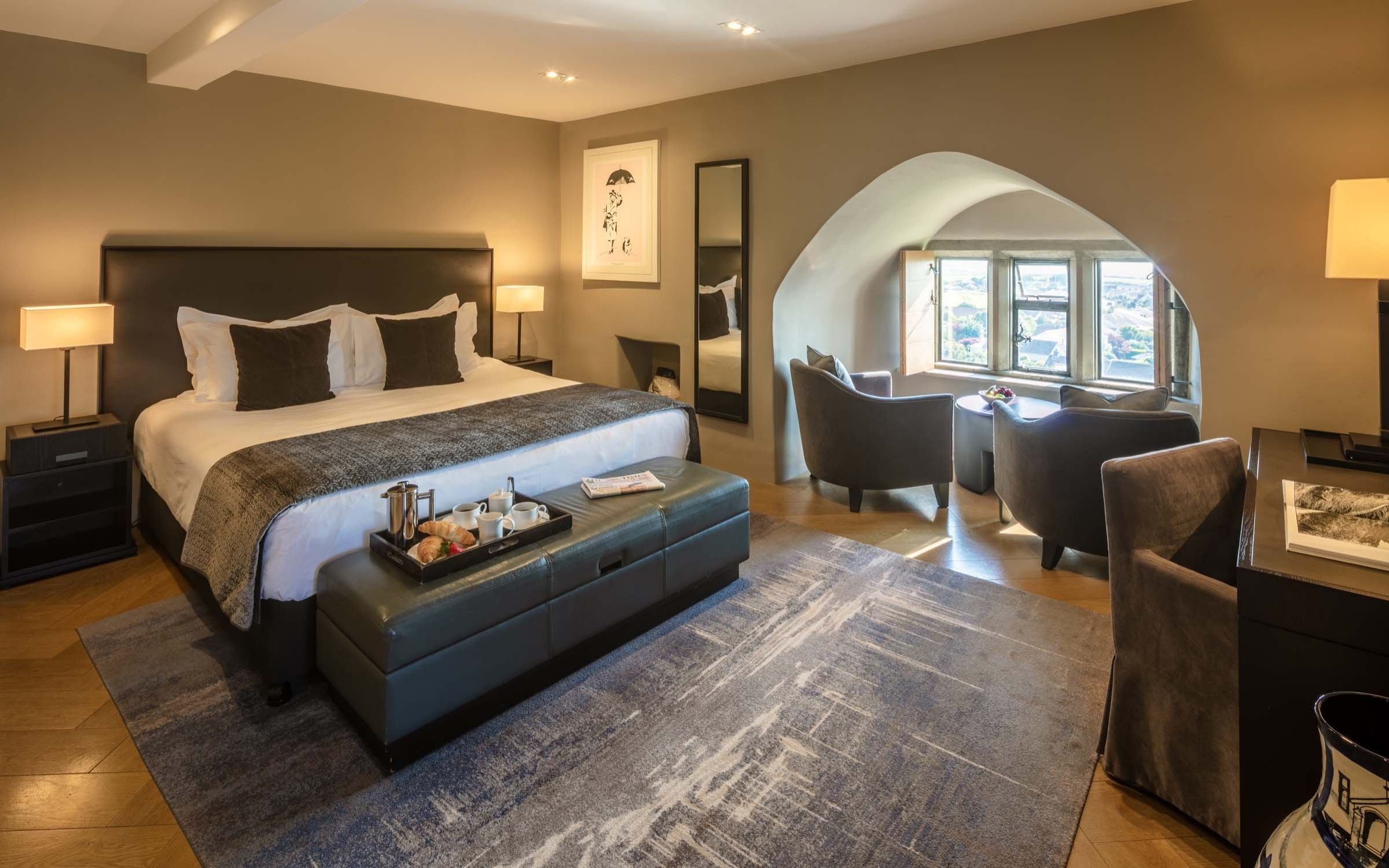
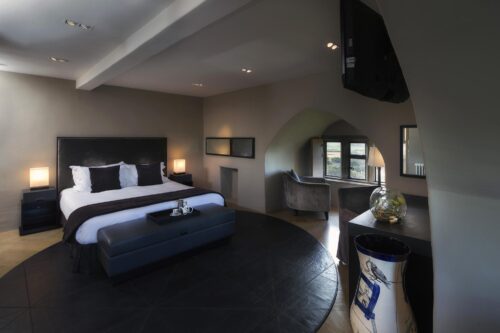
Named in honour of Lord Rhys ap Gruffudd, our Ap Gruffydd Room offers a stay surrounded by the stories, landscapes and history of medieval Pembrokeshire.
RETREATS GROUP

Explore the Collection

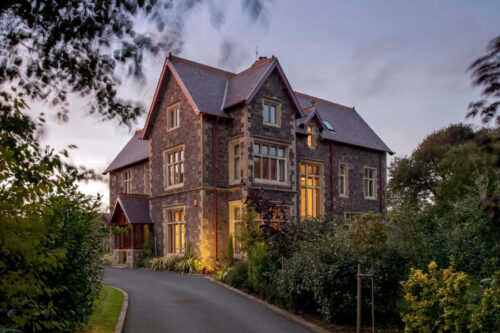
Penrhiw Priory

Timeless luxury within a beautifully restored Victorian priory

Twr y Felin Hotel

A former windmill transformed into Wales' first contemporary art hotel

Blas Restaurant

Three-rosette dining celebrating the flavours of the land & sea